
2026 Outdoor Lighting Trends
The top outdoor lighting trends for 2026 include adaptive smart systems, warmer LED lighting, sustainability-focused fixtures, minimalist designs, and coordinated lighting plans for luxury homes and estates. These trends emphasize predictability, architectural integrity, and long-term system performance across New Jersey residential properties.
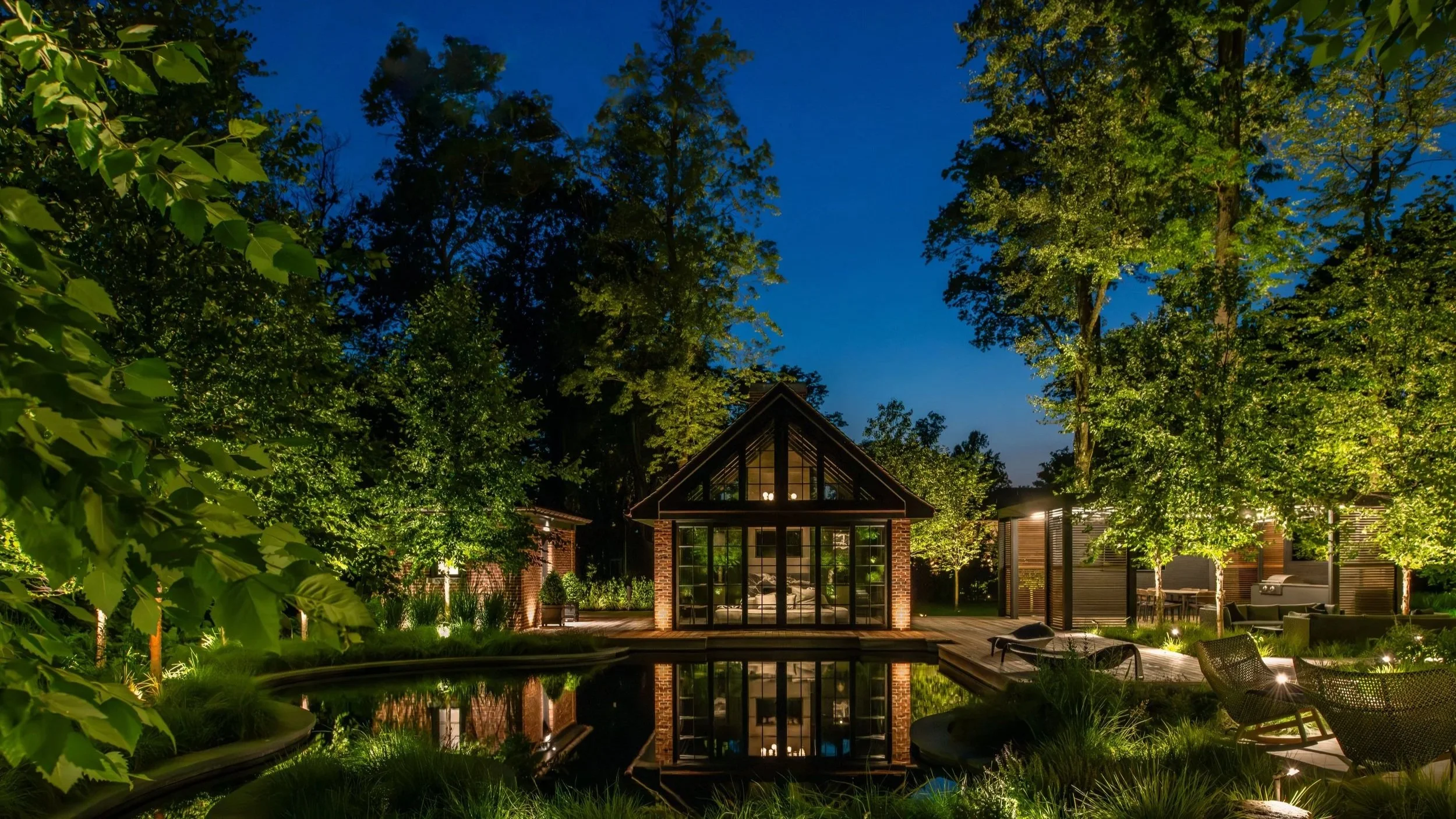
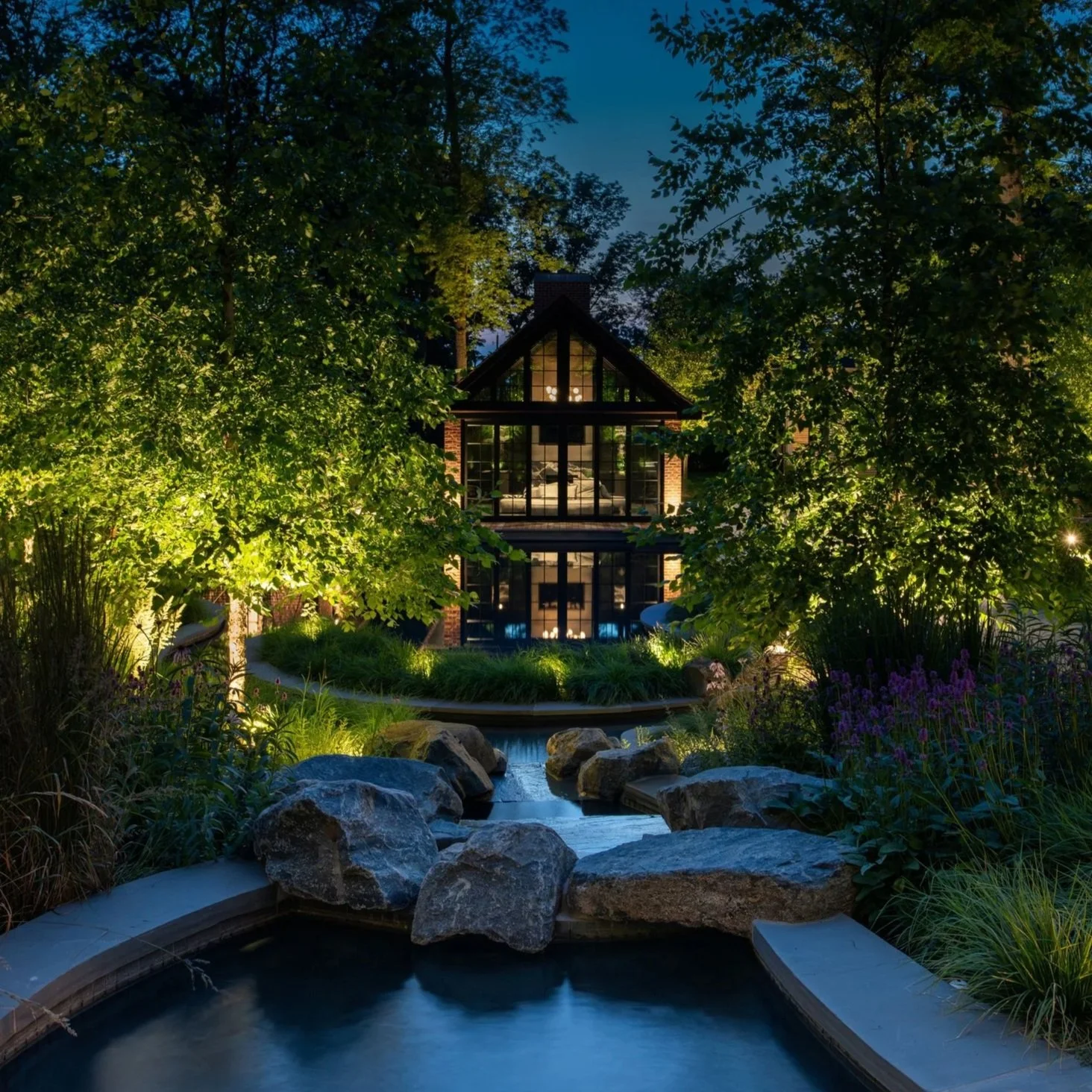
Photo: Lighting follows the landscape’s natural structure—settling into the water’s edge, rising through planting, and finally revealing the architecture beyond. A layered nighttime scene that feels composed, not staged.
What New Jersey’s Luxury Homes & Estates Will Be Asking For Next Year
There’s a moment familiar to anyone who designs, manages, or simply cares deeply about a home and property. You walk outside at night expecting intention—and instead you get shadows doing whatever they want.
In 2026, that gap between expectation and reality narrows. Outdoor lighting is finally becoming smarter, cleaner, and more architectural, giving New Jersey homeowners and professionals a nighttime environment that behaves as thoughtfully as the daytime one.
These aren’t trends for trend’s sake. They’re corrections—long overdue improvements to how lighting works and how properties should feel after dark.
Smarter Lighting Systems That Think Before You Do
Gone are the days of flipping switches and hoping the photocell behaves. In 2026, homeowners, designers, and developers want lighting that:
Adjusts automatically for seasons and daylight
Changes output based on time of night
Integrates cleanly with home automation or simple app controls
Offers scene presets for entertaining, arrivals, and quiet evenings
Smart lighting isn’t technology for the sake of novelty—it’s lighting that behaves predictably. Adaptive systems respond to how the property is actually lived in, staying consistent through long New Jersey winters, short summer sunsets, and the unpredictable weather in between. When lighting adjusts itself, the home or community simply feels cared for, night after night.
If you're evaluating smart upgrades, it helps to start with a design-first perspective. Here's how our Lighting Design process approaches it.
Warmer, More Architectural Light Replaces Harsh Blue LEDs
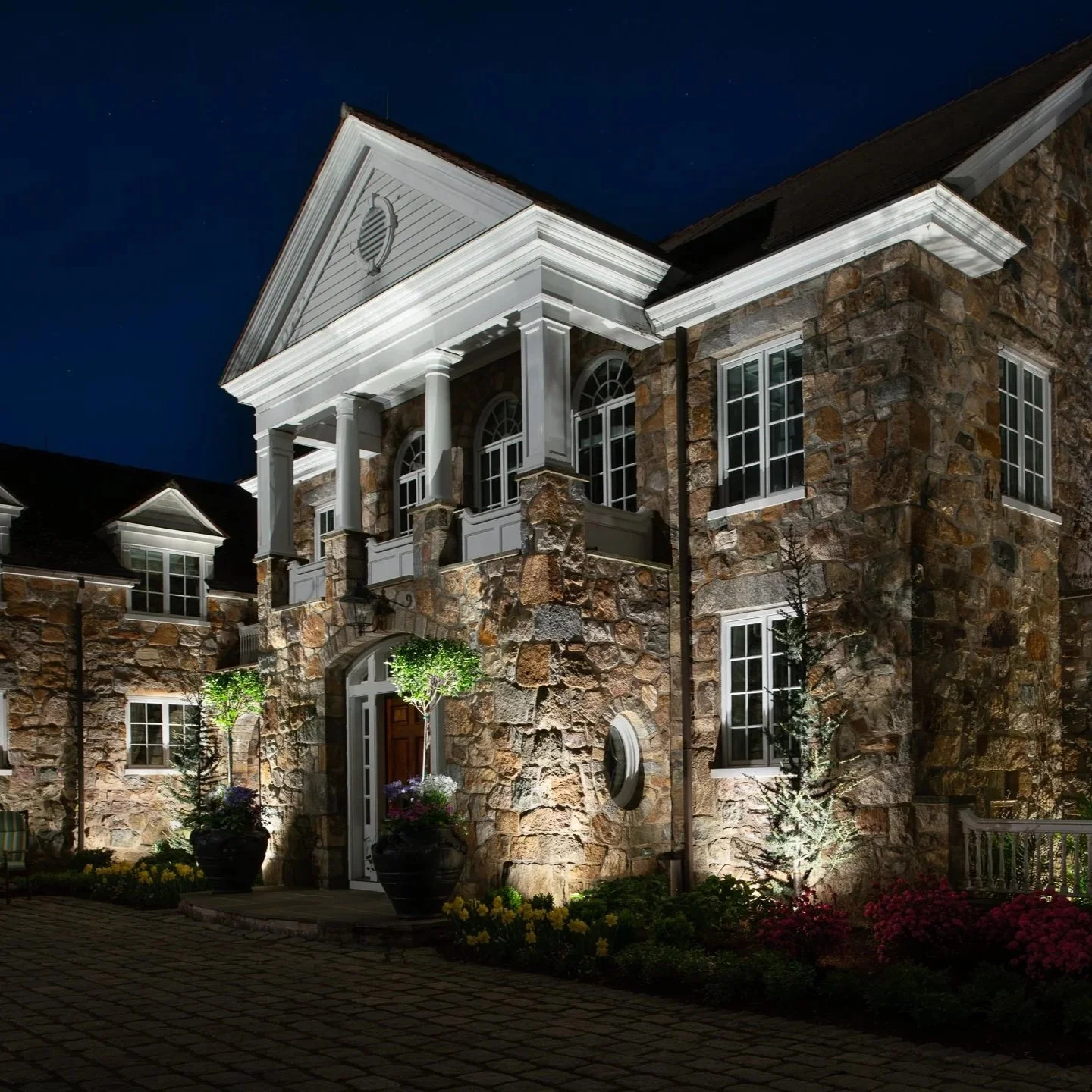
LED lighting has finally matured. Warm architectural tones—2700K, high CRI, stable color—are returning because they simply look better and perform better. In 2026, expect lighting that respects natural materials instead of bleaching them out. Stone retains depth. Siding maintains its tone. Plant material keeps its character.
For luxury homes and estates, warm LED lighting is essential. It protects scale, hierarchy, and proportion while revealing the property the way it was designed. If early LEDs were “bright,” 2026 LEDs are correct.
Sustainability Becomes Standard, Not Optional
Sustainable lighting isn’t a bonus anymore. It’s baseline.
Lower energy consumption
Dark-sky–aligned beam control
Reduced glare and light trespass
Fixtures with long life cycles and minimal maintenance waste
The shift isn’t about branding—it’s about practicality. New Jersey communities increasingly expect lighting that is sensitive to neighboring homes, wildlife, and long-term operating costs. Sustainability reduces headaches on every side: fewer service calls, lower bills, and a more responsible nightscape.
Fixtures That Disappear Into the Design
The best lighting in 2026 is lighting you barely see. Fixtures themselves continue to shrink—cleaner lines, quieter finishes, more thoughtful placement. The goal isn’t to show off the hardware but to highlight the property.
Discreet fixtures protect architectural clarity and landscape composition. They allow the home to look elegant and the planting to look intentional, without a parade of visible lights calling attention to themselves. When lighting integrates seamlessly into the site, everything feels more refined.
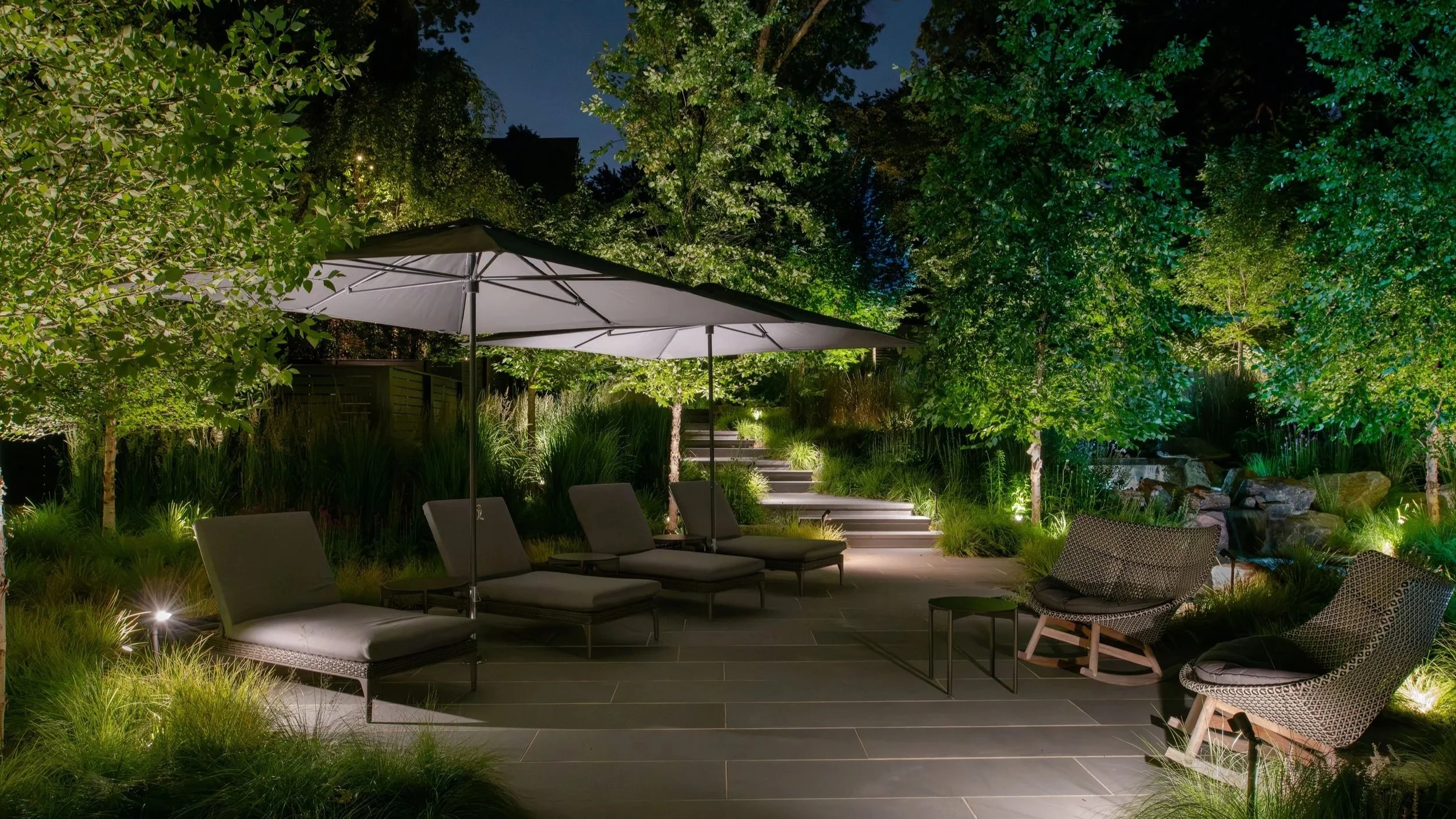
Photo:Soft path lighting settles into the stone terrace while uplighting on the trees builds height, depth, and calm. The result is an outdoor room that feels inviting—not overlit—and carries the same presence at night as it does during the day.
Estate-Scale Coordination Becomes the Rule
Large residential properties—luxury homes and estates, residential communities, multifamily developments—are shifting toward coordinated lighting that unifies the entire site.
2026 brings stronger demand for:
Consistent color temperature across all structures
System-wide planning rather than piecemeal additions
Predictable maintenance schedules
Clear fixture standards for repairs and replacements
Lighting that reinforces the property's identity and perceived value
This trend benefits everyone: homeowners enjoy a more cohesive nighttime environment; property managers deal with fewer complaints; developers maintain brand consistency across phases and buildings.
To understand what coordinated installation actually looks like, here’s our approach to outdoor lighting installation.
Lighting That Works With the Landscape, Not Against It
2026 puts the landscape back at the center of nighttime design. Instead of isolated hotspots, expect lighting that follows the logic of the planting plan and architecture:
Revealing structure rather than flooding it
Scaling fixtures appropriately for mature trees
Supporting long views and circulation
Creating rhythm instead of visual noise
When lighting respects the landscape, the property feels coherent—even elegant—after dark. This is where professional lighting becomes unmistakably different from DIY solutions.
Low-Maintenance Systems, Supported by True Maintenance Plans
“Low maintenance” no longer means ignoring the system until something fails.
Longer-life LEDs
Weather-resistant fixtures
Clean wiring
Systems designed for longevity
But even the best systems still require care. That’s why lighting maintenance programs are becoming standard, especially for large New Jersey homes and estates where scale amplifies the consequences of neglect. Proper upkeep keeps the system looking and performing the way it was intended.
If long-term care matters (and it always does), here’s more on our Continuing Care Program.
Security Lighting That Doesn’t Look Like Security Lighting
Security lighting is evolving into something quieter for 2026:
Soft illumination along circulation routes
Architectural cues for visibility
Motion-response enhancements that feel residential
Lighting that enhances safety without feeling defensive
When security lighting is done well, it supports the home without announcing itself. You feel safe—but you also feel at home.
Recap — What 2026 Means for New Jersey Luxury Homes & Estates
Lighting in 2026 is:
Smarter
Warmer
More sustainable
More discreet
More coordinated
More landscape-aware
Easier to maintain
Better for security
Whether you're lighting a single home or an entire residential community, this is the year outdoor lighting becomes something thoughtful—an extension of design, architecture, and daily life.
Let’s Talk Outdoor Lighting
If you're planning improvements for next year—or simply want to see how these trends could fit your home or project—we're always happy to start the conversation. A call, a walkthrough, whatever’s easiest.
Lighting New Jersey
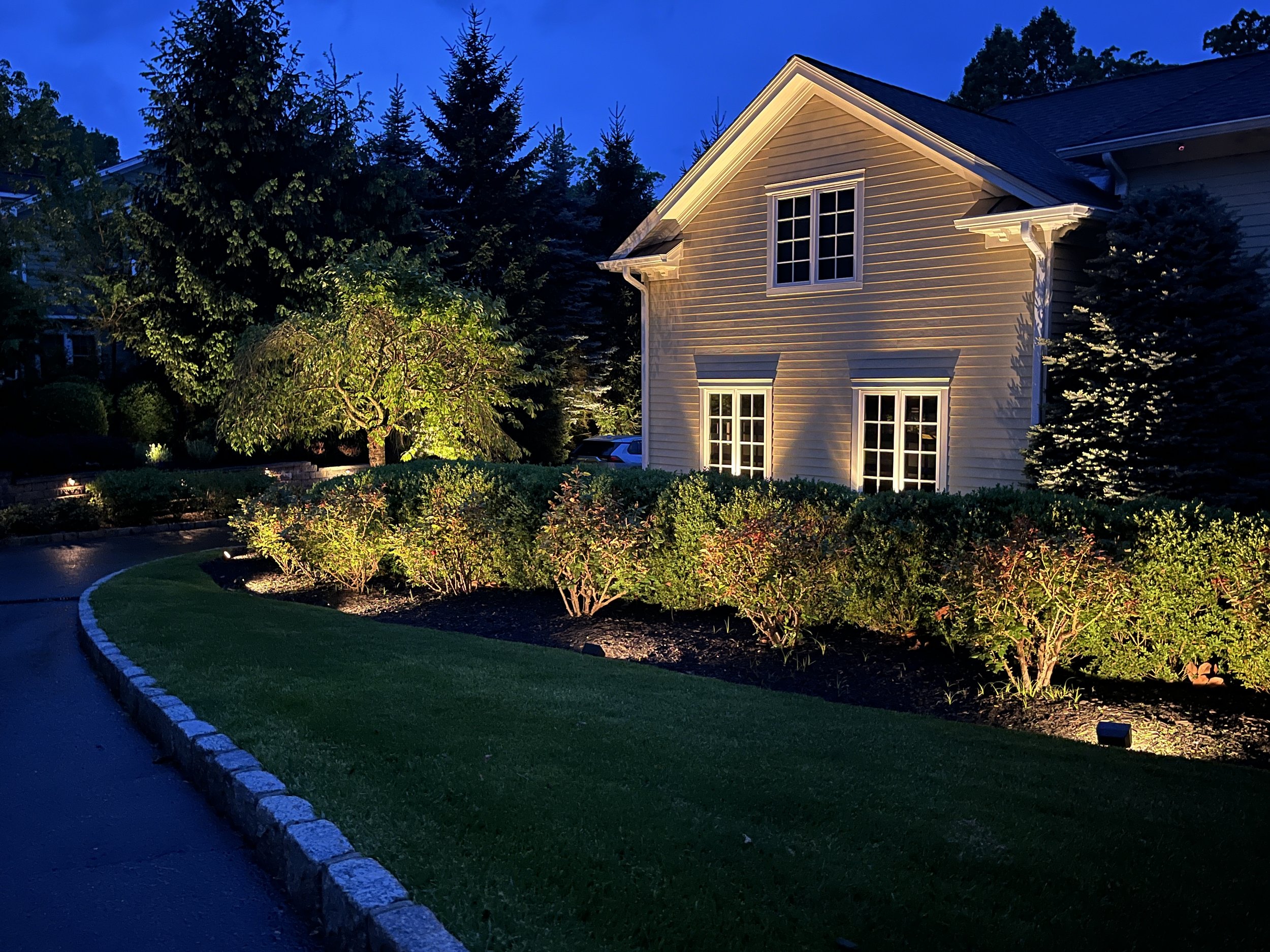

NatureScape Lifestyle
Meet The Designers


FAQs — Lighting Trends for 2026
-
Adaptive lighting systems that automatically adjust to daylight, seasons, and how the property is used.
-
Because it protects material integrity, increases nighttime comfort, and avoids the harsh look of earlier LEDs.
-
Absolutely. Unified systems reduce maintenance, improve aesthetics, and support long-term property value.
-
Yes. New Jersey communities increasingly expect reduced glare, controlled output, and responsible lighting behavior.
If you’ve enjoyed reading this, please share
with a friend and follow us on social.